AR in Tourism: Turn your next city stroll into a time-travel adventure
Travelers don’t just want to see a site; they want to step into its story. Virtual Fudge unlocks this desire, building Augmented Reality layers that instantly reveal history, hidden trails, and local gems right where the visitor stands—seamlessly connecting those moments to local booking, buying, and sharing.
Request Your Custom AR Strategy




CHALLENGES
Key Challenges in Tourism
-

Printed guides instantly go out of date
Web-published AR content updates immediately and globally across all trails and districts, ensuring travelers always receive up-to-date facts, prices, and event information.
-

Signage is static and multilingually-challenged
AR supports rich media, including audio narration, captions, and instant language switching; eliminating comprehension barriers for international visitors to global sites.
-

Small businesses struggle for discovery
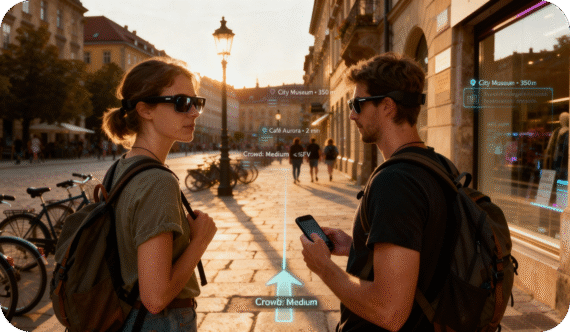
Contextual AR can surface nearby, bookable experiences, special deals, and coupons directly to the traveler’s phone based on their location, creating immediate foot traffic.
-

Hard to attribute marketing to visits
Geo-fenced AR events and trackable coupon redemptions tie digital campaigns directly to real-world footfall and sales, providing accurate ROI and attribution data.
-

Accessibility content is inconsistent
AR ensures accessibility standards (like WCAG) are consistently applied, offering features like audio-first modes and high-contrast digital overlays to broaden access for all travelers.

How AR with Virtual Fudge Can Create a New World for Tourism
The modern traveler is perpetually connected, yet often disconnected, from the rich, hidden stories of the destination they are visiting. They crave instant, contextual information that static signage and outdated paper maps can’t provide. This current need for real-time discovery, historical depth, and frictionless access to local commerce presents a massive opportunity. Virtual Fudge can transform every city, park, or heritage site into a dynamic, personalized interface by seamlessly blending digital information with the real world. We design a destination layer that informs, delights, and converts—all on the smartphones travelers already carry.
-

AR Smart Trails
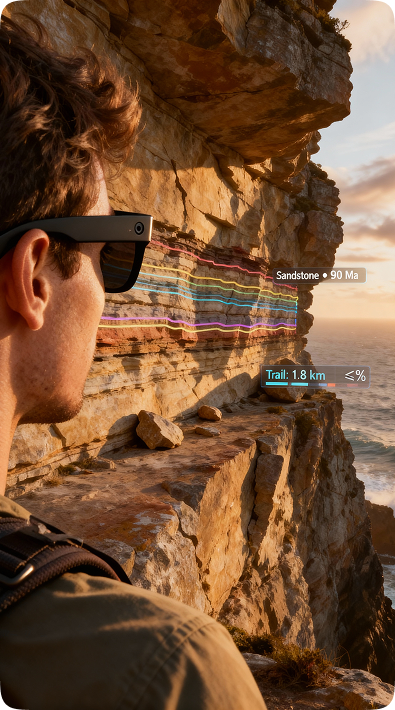
GPS-aware stories, audio, and challenges. We replace passive map-following with active, gamified exploration. Our system uses precise geo-fencing to trigger rich media content exactly where a traveler is standing. This means history comes alive – same location, different century – with expert audio narration or fun challenges that guide them step-by-step along a trail. This increases dwell time and encourages visitors to explore areas outside the main routes, maximizing their experience and boosting satisfaction.
-

Cultural Overlays
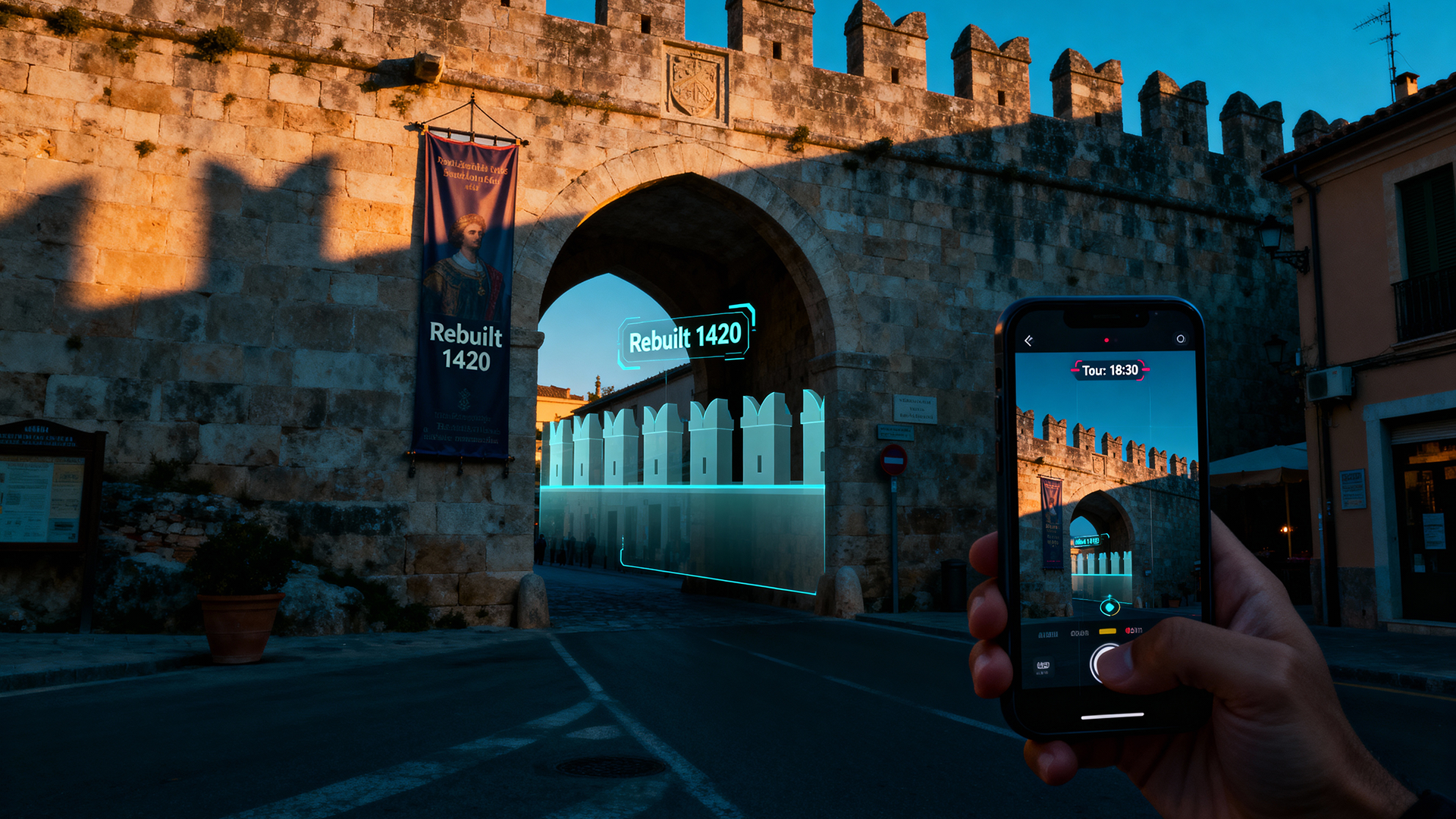
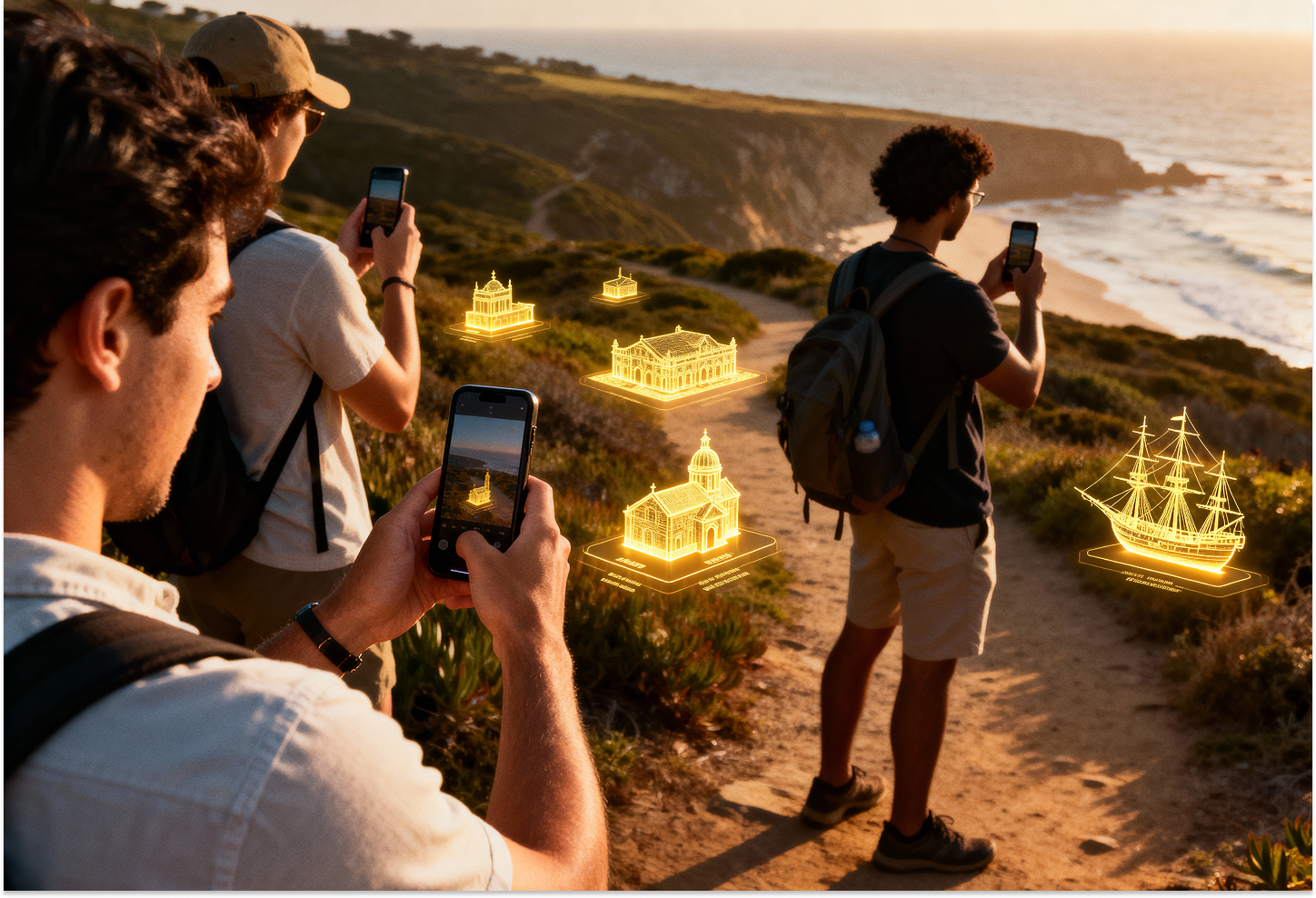
Rebuild the past or preview the future on site. The human imagination can only go so far when looking at ruins or an empty construction lot. With AR, travelers can point their device at a historical foundation and watch a detailed, full-scale 3D reconstruction of the ancient building appear right on the screen. For developers, this allows visitors to preview future infrastructure or buildings, making abstract plans tangible and exciting. This is what we imagined when we were little, now a reality!
-

Local Commerce Hooks
Deals and bookings tied to the scene. AR instantly solves the problem of connecting traveler interest to local business revenue. When a traveler views a local landmark, a contextual AR deal or booking link for a nearby restaurant, tour operator, or artisan shop can pop up. This creates a frictionless path from inspiration to transaction, maximizing revenue for local partners and giving the traveler immediate value without ever leaving the AR experience to search manually.
-

Accessible Modes
High-contrast, captions, audio-first. True accessibility should be baked into the experience. Our AR design prioritizes inclusivity, offering audio-first narration for visually impaired users and high-contrast digital overlays with synchronized captions for those with hearing or visual impairments. By ensuring WCAG-minded design, we broaden access to the destination’s stories, making the entire site welcoming and easy for everyone to navigate.
-

Destination Analytics
Heatmaps and conversion funnels. We provide partners with deep, actionable data on visitor behavior that traditional tools never could. Our system tracks where travelers linger (heatmaps), which AR content triggers the most engagement, and which digital links lead to sales. This allows tourist destination operatiors to continuously optimize, assess the effectiveness of sponsorship placements, and fine-tune their entire marketing strategy based on proven conversion funnels.





CHALLENGE
Traditional Marketing vs.
AR Marketing

TRADITIONAL MARKETING
- Brochures
- Static plaques
- “Hope they find it”
MARKETING WITH VIRTUAL FUDGE AR
- Living guides
- Multilingual media
- Bookable micro‑moments

Next-Gen Marketing
Launch Your AR Experience
in 3 Simple Steps
-
Step 1
Route & Story Mapping
Pick hero routes, curate stories with local stewards, and define booking/partner KPIs. -
Step 2
Build, Pilot & Promote
Launch one trail with cultural overlays and partner offers. Promote via visitor centers, hotels, and transit. -
Step 3
Scale & Sustain
Expand to districts, add seasonal content, and create revenue‑share models for small businesses.
Proven Results in
Tourism
-
Raise destination visit intention
Source: MDPI
-
Boosts visitor satisfaction
Source: Schience Direct
-
+79%
Interest in XR access to museum collections
Source: Museums Association

See AR tourism in action
Imagine a coastal DMO launching a WebAR heritage trail that brings centuries of history out of the archives and onto the streets. Picture a museum layering digital reconstructions over ancient ruins—instantly restoring the Colosseum to its former glory through the lens of a phone.
GET A CUSTOM QUOTE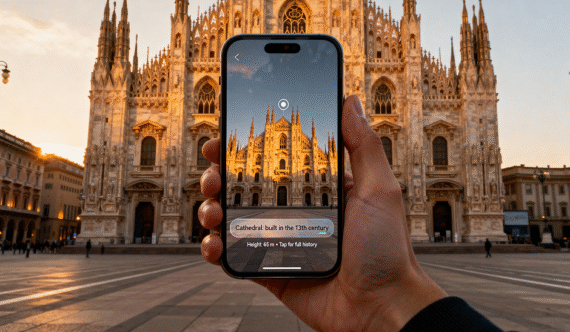





FAQ
WE DEPLOY THE SOLUTION AND PROVIDE YOU WITH DETAILED ANALYTICS TO TRACK ROI AND CUSTOMER ENGAGEMENT.
How does AR enhance the visitor experience beyond traditional audio guides?
What are the primary revenue benefits of using AR for destinations and small businesses?
Can AR solve language barriers and accessibility challenges for travelers?
Does AR require tourists to download a new, complicated app for every site?